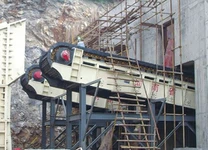
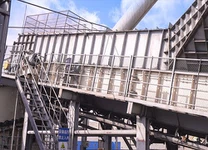
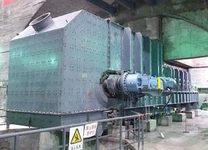
In simple terms, an apron feeder (also known as a pan feeder) is a mechanical type of feeder used in material handing operations to transfer (feed) material to other equipment or extract material (ore/rock) from storage stockpiles, bins or hoppers at a controlled rate of speed.
These feeders can be used in a variety of applications in primary, secondary and tertiary (reclaiming) operations.
They are the preferred feeder for several reasons. Some of these are:
Aprons provide better feed control to prevent material feeding in downstream equipment from choking;

They can absorb the shock of loading material directly onto the feeder with a shallow bed (the impact coming down on the feeder when the material is dumped is great); and
It can reclaim a variety of dry or wet materials of various sizes at a uniform rate, with this flexibility applied in many applications.
1.Can apron feeders be installed on an incline?
The common belief about apron feeder is that they must be installed horizontally.Contrary to popular belief they can be installed on an incline! There are many added benefits and capabilities that come from this. Less space is needed overall when installing the machine on an incline – not only does the inclination limit floor space, the height of the receiving hopper can also be reduced. Inclined apron feeders are more forgiving when it comes to larger lumps of material and, overall, will increase volume in the hopper and reduce the cycle time of the haul trucks.
Keep in mind there are some factors to pay attention to when installing on an incline to optimise the process. A properly designed hopper, the angle of inclination, the design of the support structure and the access and stair system around the feeder are all key factors.
2.Apron feeder optimal speed – faster is always better, right?
The common misconception around operating any equipment is: “faster is better.” In the case of apron feeders, nothing could be further from the truth. Optimal speed comes from finding that balance where efficiency meets transportation speed. They do operate at slower speeds than belt feeders, but for a good reason.
Normally, the optimal speed of the machine is 0.05-0.40 m/s. If the ores are non-abrasive, the speed can increase to above 0.30 m/s due to the likely reduced wear.
Higher speeds would hurt an operation: if your speed is too high, you run the risk of accelerated wear of components. Energy efficiency, too, decreases due to the increase in energy demand.
Another concern to keep in mind when running an apron feeder at high speeds is the increased possibility of fines being generated. There can be a grinding effect between the material and the pans. Not only would the generation of fines create more issues because of possible fugitive dust in the air, but this also creates a more hazardous work environment for employees overall. So, finding an optimal speed is more important for the productivity and operational safety of the plant.