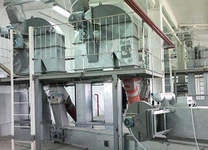
The Mobile Belt Conveyor, with its wheels installed at the bottom, is highly mobile and easy to operate, and has been widely used in various industries such as chemical, building materials, grain, and mining. When facing different production scenarios and conveying requirements, how to make a scientific selection is particularly crucial. Below, I will introduce to you the practical selection methods of the Portable Belt Conveyor, helping you choose the right equipment, improve efficiency, and reduce costs.

Clearly Define The Conveyed Materials
The temperature, humidity, acidity and alkalinity, as well as the wear resistance of different materials directly determine the type of belt you choose. When selecting the type of belt, you need to precisely match the specific properties of the materials you are conveying and avoid excessive equipment wear or failure to meet the conveying requirements.
Rubber Conveyor Belt
The working environment temperature of the rubber belt is -15 to 40℃. When the temperature of the materials you are conveying does not exceed 50℃, using a rubber belt is the most appropriate choice. It has good toughness, moderate friction, and stable operation, and can meet the needs of conveying most conventional bulk materials, granular materials, and block materials.
Plastic Conveyor Belt
If the materials you are conveying have slight corrosiveness, a plastic belt would be a more suitable choice. It has advantages such as oil resistance, acid and alkali resistance, and corrosion resistance. However, you should note that plastic belts have poor adaptability to climate and are prone to slipping and aging over time. When selecting, you need to consider the usage environment comprehensively.


Selecting Belt Speed Based On Operating Conditions
The belt speed directly affects the conveying efficiency, material stability, and equipment lifespan. It is an important parameter that you need to focus on when making a selection. You should adjust the belt speed flexibly according to your own operating conditions, taking into account both efficiency and equipment wear.
 Material Characteristics
- If the dust content of the material you are conveying is high, it is recommended that you control the belt speed within 0.8 to 1 m/s. This will effectively reduce dust and material splashing, ensuring a clean production environment.
- If you are conveying fine or small pieces of material, you can choose a higher belt speed, up to 3.15 m/s, to improve the conveying efficiency.
Conveying Conditions
- The shorter the conveying distance and the greater the conveying inclination angle, the lower the belt speed should be. This will prevent material sliding and clogging, ensuring stable conveying.
- If the conveyor belt width you choose is larger, you can select a higher belt speed to fully utilize the equipment's conveying potential.
Discharge Method
- If you use a plow discharger, the belt speed should not exceed 2.0 m/s to prevent incomplete material discharge or equipment damage.
- If you use manual batching or weighing operations, the belt speed should not exceed 1.25 m/s to facilitate the operation of the staff and ensure precise batching.
- If you use a tripper, the belt speed generally should not exceed 2.5 m/s to ensure smooth discharge and stable equipment operation.
Determine Bandwidth Based On Discharge Volume
The discharge volume is the key factor for choosing the model of the Mobile Belt Conveyor. The bandwidth directly determines the conveying capacity of the equipment. You should reasonably select the bandwidth specification based on your actual discharge volume.
Common bandwidth specifications include: 500mm, 600mm, 650mm, 800mm, 1000mm, 1200mm, 1500mm, etc.
If your discharge volume is small and the site is narrow, you can choose a smaller bandwidth to balance practicality and space utilization;
If your discharge volume is large and continuous operation is required, you should select a wider belt to ensure stable and efficient conveying and avoid affecting production progress due to insufficient bandwidth.
Determine The Structure Based On The Conveying Route
When making your selection, please consider your actual conveying route and pay particular attention to key parameters such as conveying inclination angle, conveying length, and lifting height. Ensure that the equipment is suitable for your site conditions.
Different site conditions, feeding and discharging heights, and horizontal distances can correspond to different frame structures, lifting heights and walking methods. You can customize the appropriate conveying line design according to your own needs. This can not only ensure smooth conveying without material blockage, but also improve the equipment's utilization efficiency and fully leverage the flexible advantages of the Movable Belt Conveyor.
The above are the complete selection criteria for Mobile Belt Conveyors. They cover all the key aspects you need to consider during the selection process, including material properties, belt speed, conveying capacity, and conveying routes. If you have any questions or would like to customize an exclusive equipment solution based on your production conditions, please feel free to contact us at any time. We will provide you with one-on-one professional consultation, accurately matching equipment parameters, and helping you select an adaptable, efficient, and cost-effective mobile belt conveyor. Together, we will optimize the production process and reduce operating costs.