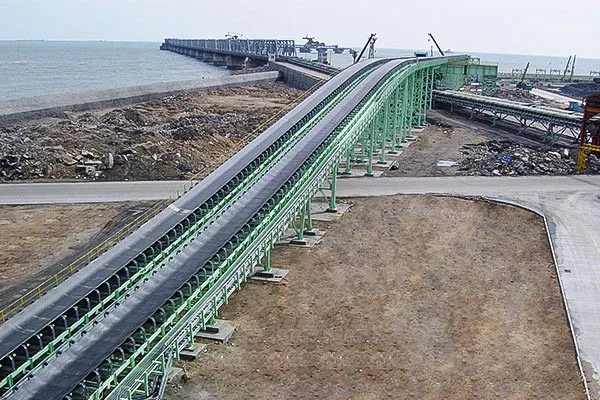
Belt Conveyor is an important material transportation equipment in mining machinery, widely used for continuous transportation of bulk materials such as coal, ores, and sandstones. As the core component of the drive system, the reducer (also known as a reducer or gearbox) is responsible for converting the high speed and low torque of the motor into low speed and high torque, ensuring the smooth operation of the conveyor belt. In the harsh environment of mines, the reducer is prone to be affected by dust, overload and vibration, resulting in frequent failures. Timely and professional maintenance can not only extend the equipment's lifespan but also reduce the risk of downtime and improve production efficiency.
Common Faults Of Belt Conveyor Reducers
Reducer failures often manifest as abnormal noises, overheating, oil leakage or insufficient power. Common issues include:
- ● Abnormal Noise: Wear of bearings or gears, excessive clearance, loose bolts.
- ● Overheating: Insufficient lubricating oil, deteriorated oil quality, overload or poor ventilation.
- ● Oil Leakage: Seals are aging, the box has cracks or the installation is improper.
- ● Abnormal Vibration: Misalignment of the coupling, poor gear meshing, or unstable foundation.
- ● Output Torque Is Insufficient: Internal gears are damaged, and the bearings are stuck.
If these faults are not dealt with in time, they may cause the entire machine to stop operating and even lead to safety accidents.
Maintenance Steps For Reducer
Before maintenance, the machine must be shut down, power disconnected, and warning signs hung to ensure safety. It is recommended that this be  done by a professional technician with a special equipment operation certificate.
Diagnosis And Disassembly
- Listen for noise, measure temperature, and check the oil level.
- Remove the coupling and the motor connection, and lift out the reducer.
- Clean the exterior of the box and inspect for any cracks in the body.
Internal Inspection
- Open the box cover and remove the old oil.
- Check for wear, pitting or broken teeth on the gear meshing surfaces.
- Measure the bearing clearance and check for any foreign objects or erosion.
Component Replacement
- Replace the damaged bearings (common models: NU series or self-aligning roller bearings).
- Repair or replace the gears (common in hard-toothed reducers).
- Replace the sealing ring and O-ring to prevent oil leakage.
Assembly And Lubrication
- Assemble the bolts strictly according to the torque.
- Add the appropriate gear oil (for mining environment, GL - 5 heavy-duty industrial gear oil is recommended, with a viscosity of 220 - 320).
- Pay attention to the oil product switch during winter/summer.
Trial Operation And Debugging
- Listening noise during no-load operation.
- The temperature during the load test should not exceed 80℃.
- Adjust the coupling alignment to a degree of (<0.1mm).
Daily Maintenance And Preventive Measures
- Prevention is better than repair. By following the following points, the failure rate can be reduced by more than 50%:
- Daily Inspection: Check the oil level, temperature and noise every week; Tighten the bolts monthly.
- Lubrication Management: Change the oil every 3 - 6 months. In dusty mining environments, shorten the replacement cycle.
- Load Control: Prevent overloading operation. Install overload protection.
- Environmental Optimization: Install protective covers to prevent dust and ensure proper ventilation.
- Record Files: Establish a maintenance log and predict the major overhaul cycle (typically 5 - 8 years).
If you encounter any difficulties in the daily maintenance, fault diagnosis, accessory replacement, or overhaul and commissioning of the Belt Conveyor reducer, please feel free to contact us at any time. We have a professional technical team that can provide one-stop services such as reducer fault diagnosis, on-site maintenance guidance, customized lubrication plans, and regular maintenance planning, to help you reduce equipment failure rates, minimize downtime, and ensure the long-term stable operation of the conveying equipment.